What Happens at Probate Hearing?
A probate hearing is where the court validates a will, appoints an executor, and resolves estate disputes. Learn what happens, who attends, and how to prepare.
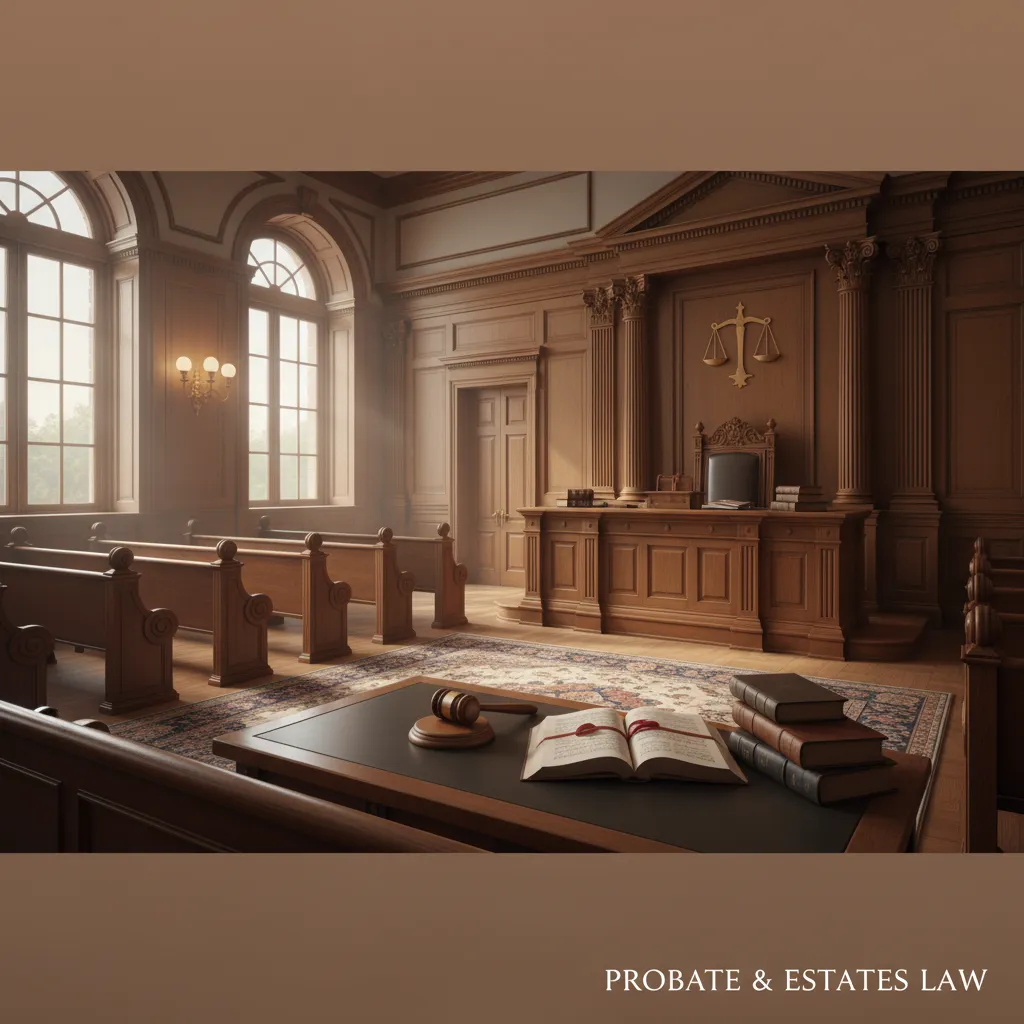
A probate court hearing is a formal proceeding where a judge reviews matters related to a deceased person's estate. During the hearing, the court may validate the will, officially appoint an executor or administrator, address creditor claims, resolve disputes between heirs, and ultimately approve the final distribution of assets.
Most probate cases involve multiple hearings at different stages. Here's what to expect at each type and how to prepare.
What Is a Probate Hearing?
A probate hearing is a formal court proceeding where a judge oversees matters related to a deceased person's estate. These hearings are part of the legal probate process and cover everything from validating the will to approving final distributions. Most probate hearings are brief, routine matters—but contested cases can involve extended litigation.
Types of Probate Hearings
Not every probate case requires the same hearings. The type and number depend on the estate's complexity and whether anyone contests the proceedings.
Initial Hearing (Petition for Probate)
This first hearing is where the process officially begins. The court will:
- Review the will (if one exists) and determine if it appears valid
- Appoint an executor named in the will, or an administrator if there's no will
- Issue Letters Testamentary giving the executor legal authority to act
- Establish deadlines for creditor claims and inventory filing
Timeline: Usually scheduled 30-45 days after the probate petition is filed.
Inventory and Appraisal Hearing
Some courts require a hearing after the executor submits the inventory of estate assets. The judge reviews:
- The completeness of the asset list
- Appraisal values for major assets
- Any concerns raised by beneficiaries
Note: Many states don't require a separate hearing for this—the court simply reviews the filing.
Creditor Claims Hearing
If creditors file claims that the executor disputes, a hearing may be needed to resolve the issue. The court determines:
- Whether the claim is valid
- The amount owed
- The priority of payment
Will Contest Hearing
When someone challenges the validity of a will, this can be the most contentious and lengthy type of hearing. Common grounds for will contests include:
- Lack of testamentary capacity – The deceased wasn't mentally competent
- Undue influence – Someone pressured the deceased to change their will
- Improper execution – The will wasn't signed or witnessed correctly
- Fraud – The will was forged or obtained through deception
Will contest hearings can involve testimony, cross-examination, and expert witnesses.
Final Accounting and Distribution Hearing
Before closing the estate, the executor presents a final accounting showing:
- All assets collected
- Debts and expenses paid
- Proposed distributions to beneficiaries
If beneficiaries approve (or don't object), the court approves the final distribution and closes the estate.
Who Attends a Probate Hearing?
Required Attendees
- Executor or Administrator – Must attend most hearings
- Attorney – If the estate is represented by counsel
May Be Required
- Beneficiaries – Usually only if they filed an objection or the court specifically requests their presence
- Creditors – Only if disputing a claim denial
- Witnesses – In contested cases
Generally Not Required
- All heirs and beneficiaries – You don't have to attend routine hearings unless you've filed an objection or the court summons you
- Family members who aren't beneficiaries
Important: Always check the notice you receive. If it says your attendance is required, don't skip it.
What to Expect at Your First Hearing
If you're attending a probate hearing for the first time, here's how it typically unfolds:
Before the Hearing
- Arrive early – Give yourself 15-30 minutes to find the courtroom and get settled
- Dress appropriately – Business casual at minimum; suits aren't required but show respect for the court
- Bring your documents – The court notice, any paperwork you've filed, and identification
- Silence your phone – Judges don't appreciate interruptions
During the Hearing
Probate hearings are usually brief and procedural:
- Check in with the clerk – Let them know you're present for your case
- Wait for your case – Courts often schedule multiple matters on the same day
- Approach when called – The judge will call the estate by name
- Stand when speaking – Address the judge as "Your Honor"
- Answer questions directly – The judge may ask the executor about assets, debts, or proposed distributions
- Listen to the ruling – The judge will issue orders or set the next hearing date
After the Hearing
- The clerk will provide copies of any orders signed
- The executor may need to file additional documents based on the judge's instructions
- Note any deadlines or next hearing dates
Common Questions Judges Ask
Be prepared to answer questions like:
- "Have all known creditors been notified?"
- "Are there any disputes among the beneficiaries?"
- "What is the total value of the estate?"
- "Have all taxes been filed and paid?"
- "Are there any pending claims against the estate?"
- "Do you anticipate any issues with the proposed distribution?"
How Long Does a Probate Hearing Last?
| Hearing Type | Typical Duration |
|---|---|
| Initial petition | 5-15 minutes |
| Routine status hearings | 5-10 minutes |
| Final accounting (uncontested) | 10-20 minutes |
| Creditor claim disputes | 30-60 minutes |
| Will contests | Hours to days (may require trial) |
Most routine probate hearings are surprisingly quick. Unless there's a dispute, the judge is simply confirming that proper procedures are being followed.
Can You Skip a Probate Hearing?
As the Executor: No
The executor (or their attorney) must attend all hearings unless the court grants an exception. Failing to appear can result in:
- Delays in the probate process
- Removal as executor
- Contempt of court charges in extreme cases
As a Beneficiary: Usually Yes
Beneficiaries typically don't need to attend unless:
- They've filed an objection
- The court specifically requires their presence
- They want to observe or raise concerns
However: If you receive a summons or notice stating your attendance is required, you must appear.
What If You Disagree With Something at the Hearing?
If you're a beneficiary and something happens at the hearing that concerns you:
- Don't interrupt – Wait for the appropriate time to speak
- Ask to be heard – Tell the judge you have a concern
- Be specific – State clearly what you object to and why
- Consider getting an attorney – If the issue is significant, legal representation helps
- File a formal objection – The court can set a separate hearing to address disputes
Do You Need an Attorney for Probate Hearings?
When You Probably Don't Need One
- Small, straightforward estates
- All beneficiaries agree
- No creditor disputes
- Informal probate proceedings
When You Should Hire One
- Large or complex estates
- Any will contests or disputes
- Significant real estate or business assets
- Out-of-state property
- Potential tax complications
- Creditors disputing claims
Many states allow executors to represent themselves in probate, but an attorney can prevent costly mistakes and speed up the process.
Frequently Asked Questions
What happens at a probate hearing?
The judge reviews the estate's status, may appoint or confirm an executor, addresses any disputes, and issues orders to move the process forward. Most hearings are brief procedural matters lasting 5-20 minutes unless there's a contest.
Do beneficiaries have to attend probate hearings?
Generally, no. Beneficiaries only need to attend if they've filed an objection, the court specifically requires their presence, or they want to observe the proceedings. The executor or their attorney handles most routine appearances.
How many hearings does probate require?
It varies. Simple estates may only need one or two hearings. Complex or contested estates can require multiple hearings over months or years. Some states allow certain matters to be handled without a hearing at all.
What should I wear to probate court?
Business casual is appropriate for most probate hearings. You don't need a suit, but avoid overly casual clothing like shorts, tank tops, or flip-flops. Showing respect for the court makes a good impression.
Can probate be done without a hearing?
In some cases, yes. Many states offer simplified probate procedures for small estates that require minimal or no court appearances. Some routine matters can be approved by the judge without a formal hearing.
What happens if the executor doesn't show up to a hearing?
The court may reschedule, but repeated absences can result in the executor being removed from their role. The judge may appoint a different administrator to handle the estate.
Get Help While You Wait
Probate hearings are just one part of a process that can take months or even years. If you're an heir waiting for the estate to close and need funds now, you don't have to wait for the final distribution.
An inheritance advance lets you access your inheritance now—without waiting for court hearings and final distributions.
Get Your Free QuoteRelated Articles
Jan 28, 2026
What If Executor Won't Probate Will?
If an executor refuses or fails to probate a will, beneficiaries can petition the court to remove them. Learn what happens and your options.
Jan 28, 2026
Common Reasons for Probate Delays
Probate delays happen for many reasons: will contests, complex assets, missing heirs, and tax issues. Learn what causes delays and how to speed up.
Jan 21, 2025
Probate Fees and Costs in 2025
Learn about probate fees, attorney costs, executor compensation, and court expenses. Get a breakdown of what probate costs and how to minimize them.
Need Cash From Your Inheritance?
Don't wait for probate to complete. Get a free quote for an inheritance advance and receive funds in as little as 24-48 hours.
Get Your Free Quote